

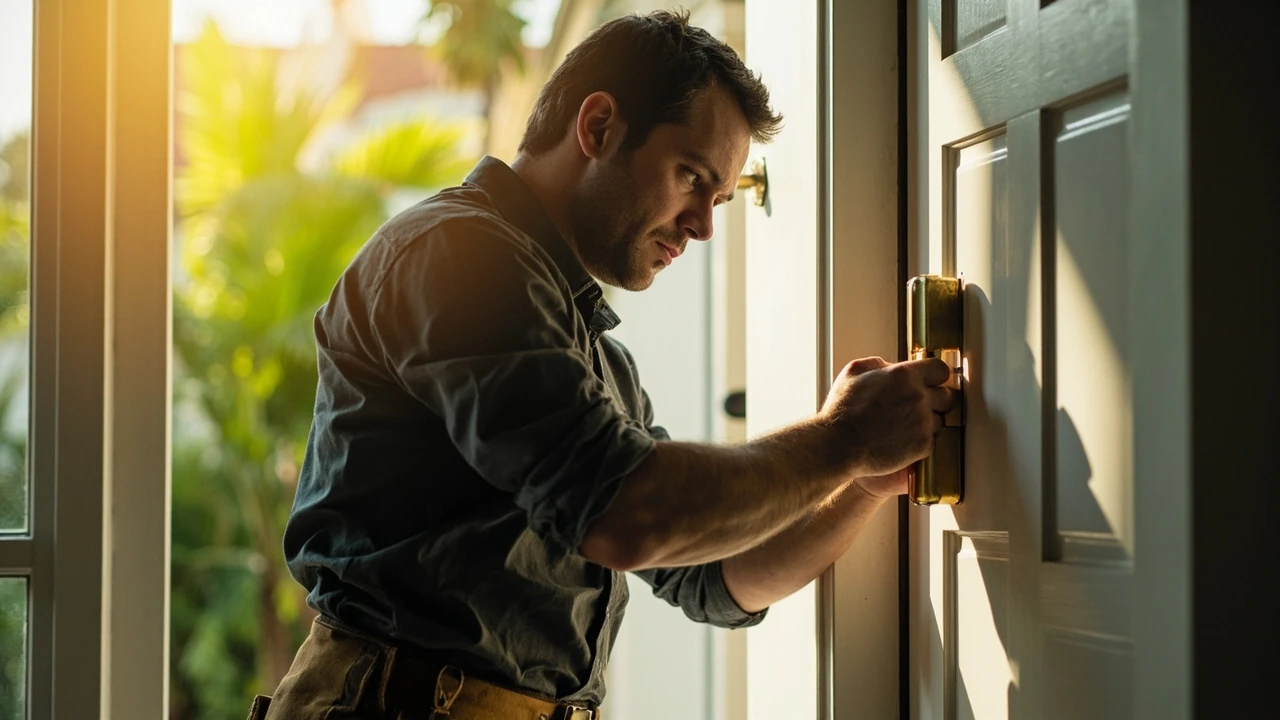
Locksmith Miami: choosing the right service for your home, car, or business
You step out for a single errand in Brickell, the door clicks shut behind you, and the realization hits before your feet hit the sidewalk. The keys are on the kitchen counter, the spare is across the county, and the locksmith number in your phone leads to a voicemail that never returns a call. Lockouts, lost keys, broken ignitions, and rekeying after a move are the everyday reasons Miami residents search for a locksmith, and the difference between a smooth experience and a costly one usually comes down to how you choose before you need one.
Miami-Dade County stretches from Homestead to North Miami Beach and includes dense urban corridors, gated suburban communities, and older coastal buildings. Each setting creates different lock and key challenges, and each setting has its own pricing, licensing, and response-time norms. This guide walks through the practical decisions a Miami resident or small business owner faces when hiring a locksmith, from the first phone call to the final invoice.
What a locksmith in Miami actually does
The job title covers a wide range of mechanical and electronic work. Most Miami locksmiths split their day across residential, automotive, and commercial calls, though some specialize in one area. Understanding the difference helps you describe the problem accurately and avoid being quoted for a service you do not need.
- Residential work includes house lockouts, rekeying, deadbolt installation, smart lock conversions, mailbox locks, sliding glass door hardware, and lock repairs after a break-in.
- Automotive work covers car lockouts, transponder and key fob programming, ignition cylinder repair, key extraction from broken locks, and laser-cut key duplication.
- Commercial work includes master key systems, access control, panic bars, high-security restricted keyways, safe installation and combination changes, and storefront door hardware.
Mobile locksmiths, who drive to the customer rather than work from a shop, are the norm in Miami because most lock and key problems are not portable. A typical mobile van carries the picks, key blanks, programming tools, and common hardware needed to finish a job on the first visit.
How Miami-Dade licensing and verification work
Florida regulates locksmiths at the state and county level, and Miami-Dade has its own requirements on top of those. A legitimate locksmith operating in the county should be able to show, on request, a Florida business license, a Miami-Dade occupational license where required, and proof of insurance that covers property damage and vehicle work. Locksmiths who hold a state-issued registration card are listed in public databases that you can search before booking.
Vehicle locksmiths who program transponder keys and fobs often need separate credentials because the work involves access to manufacturer key codes. For high-security commercial work, locksmiths may hold factory certifications from lock brands such as Medeco, Mul-T-Lock, or ASSA ABLOY, which allow them to purchase and install restricted keyways that cannot be copied at a hardware store.
Ask for the locksmith’s license or registration number before the work begins. A reluctance to share that information, or an inability to produce it on arrival, is a signal to find another provider. Local police non-emergency lines and the Florida Department of Business and Professional Regulation can confirm whether a license is active.
When you actually need a locksmith in Miami
Some lock and key situations look like DIY projects but quickly turn into bigger problems without the right tools or training. The list below covers the cases where calling a professional is faster, cheaper, or safer than attempting a fix on your own.
- You are locked out of a home, car, or business with no working key and no safe entry method.
- You have moved into a new apartment or house in Miami and the previous tenants, contractors, or cleaning crews may still have copies of the key.
- Your front door deadbolt no longer turns smoothly, the latch sticks, or the key wobbles in the cylinder.
- You have lost the only copy of a transponder key or a high-security restricted key that cannot be duplicated at a retail counter.
- Your car key broke off inside the ignition or door lock.
- You want to upgrade from a basic knob lock to a deadbolt, smart lock, or keypad entry system.
- You operate a small business in Miami and need to rekey after staff turnover or a terminated lease.
For break-ins, a locksmith is part of the recovery process. After police have documented the scene, a locksmith can board the door, replace damaged hardware, and rekey the remaining locks so the entry points that were not breached are no longer keyed to the old set.
How locksmith pricing works in Miami
Most locksmiths quote in two parts: a service call fee that covers the trip and the first portion of labor, plus parts and any time-based charges. Miami rates run higher than the national average because the cost of operating a mobile van in dense traffic, especially across the causeways and through downtown, is real, and because the demand for emergency lockout service stays high year-round.
The table below shows typical price ranges for common Miami locksmith jobs. The numbers are general guidance, not quotes, and your specific price will depend on the lock brand, the time of day, and the locksmith’s overhead.
| Service | Typical Miami price range | Notes |
|---|---|---|
| Car lockout, daytime | $75 to $150 | Lower for simple older vehicles, higher for luxury or European models with steering wheel locks. |
| Car lockout, overnight or holiday | $120 to $250 | After-hours surcharges vary by company; always ask before the trip. |
| House lockout, daytime | $80 to $160 | Drilled locks cost more than picked locks; ask which approach the locksmith plans to use. |
| Rekey, single lock | $25 to $50 per cylinder | Cheaper than full replacement when the existing hardware is in good condition. |
| Rekey, full home (3 to 5 doors) | $120 to $250 | Common after a move; the locksmith repins each lock to a new key. |
| Deadbolt installation | $120 to $250 installed | Cost depends on door material; metal doors add labor time. |
| Transponder key programming | $80 to $200 | Aftermarket keys cost less than dealer keys but may lack remote functions. |
| Ignition cylinder repair or replacement | $150 to $400 | Some ignition problems are cheaper to solve with a rekey than a full replacement. |
| Smart lock installation | $120 to $300 labor, plus device cost | Older doors may need a new bore hole, which adds to the total. |
| Safe combination change | $80 to $200 | Brand and type of safe affect the price; some manufacturers require their own technicians. |
Watch for two pricing patterns that tend to produce disputes. First, an unusually low phone quote, often under $40 for a lockout, frequently rises sharply once the locksmith arrives because the original quote excluded the service call fee. Second, quoted prices that do not specify whether after-hours or weekend rates apply. The professional move is to ask for the total, all-in price over the phone and to confirm in writing or by text before the work begins.
Choosing a locksmith before you need one
The worst time to find a locksmith is at 11 p.m. in a thunderstorm with a toddler in the back seat. A small amount of preparation removes most of that stress. The steps below are the same ones property managers and long-time Miami residents use to keep a reliable number in their phone.
- Search the Florida DBPR database to confirm the locksmith’s license is active and free of recent disciplinary actions.
- Read recent reviews on Google, Yelp, and Nextdoor, paying attention to comments about response time, pricing transparency, and how the locksmith handled problems.
- Save two or three local options in your phone rather than relying on a single name. Lockout demand spikes during bad weather and holiday weekends, and a single provider may not be available.
- Ask about the service area in plain language. A locksmith based in Homestead may not respond quickly to Aventura, and a downtown operator may avoid the southern parts of the county after a certain hour.
- Request a copy of proof of insurance before any work begins, especially for commercial or high-value residential projects.
- Confirm the payment methods accepted. Mobile locksmiths in Miami often take card, Zelle, or cash, but a few still work cash-only, which can complicate the receipt you need for insurance or landlord records.
For businesses, a more formal process is worth the effort. A written agreement that lists the locksmith’s response times, after-hours rates, and the locks and keyways they service gives you a paper trail when invoicing or auditing.
How to handle a Miami lockout without making it worse
Lockouts are emotional, especially when the temperature inside the car is climbing, but the decisions made in the first ten minutes determine whether the bill stays reasonable. The practical sequence below covers the safest and least expensive path through a typical Miami lockout.
- Check every door and the trunk. A surprising number of lockouts end with a passenger door that was not fully closed.
- Call a licensed Miami locksmith rather than a roadside service that sub-contracts to unknown providers. Ask for the driver’s name and the type of vehicle they are sending.
- Ask whether the locksmith plans to pick the lock or drill it. Picking preserves the lock and is almost always cheaper. Drilling is a last resort reserved for high-security cylinders that cannot be picked cleanly.
- Stay near the vehicle but in a safe, well-lit area, ideally visible to a security camera or a busy sidewalk.
- Confirm the price on arrival before the work begins, including any after-hours or holiday surcharges.
- Request a receipt that lists the work performed, the parts used, and the locksmith’s license number for your records.
For home lockouts, a similar sequence applies, with one additional step: ask the locksmith to verify your identity and proof of residence before opening the door. Most reputable Miami locksmiths do this as a matter of course, and the verification protects you from a stranger simply claiming to be locked out.
Rekeying versus lock replacement
Homeowners in Miami often ask whether they need new locks or whether rekeying the existing hardware will do the job. The honest answer depends on the condition of the lock, the number of doors involved, and how the previous occupant may have interacted with the keying system. The table below compares the two options.
| Factor | Rekey | Full lock replacement |
|---|---|---|
| Cost per door | Lower, usually a flat service fee plus a small parts cost | Higher; includes the price of the new lock and deadbolt |
| Time on site | About 10 to 20 minutes per lock | 30 to 60 minutes per door, depending on the door material |
| Best when | The hardware is in good condition and you want a new key without changing the look | The lock is damaged, outdated, or does not meet your security goals |
| Warranty impact | Preserves any existing manufacturer warranty on the hardware | Starts a new warranty period on the new hardware |
| Security upgrade | Limited; the cylinder is reconfigured but the same grade of hardware remains | Allows a move to a higher-security grade, smart lock, or restricted keyway |
| Typical Miami use case | After moving into a new apartment or house | After a break-in, hardware failure, or a major renovation |
A good Miami locksmith will inspect each lock and recommend rekeying where it is the right call and replacement where the hardware is no longer reliable. The choice is rarely all-or-nothing, and a partial rekey combined with a single deadbolt upgrade is a common middle path.
Smart locks and the Miami climate
Smart locks have moved from a luxury feature to a practical option for Miami homeowners, but the local climate adds a few wrinkles. Salt air, afternoon thunderstorms, and year-round humidity shorten the life of exposed electronic components, and direct sun on a south-facing door can warp some plastic housings. The best results in Miami come from smart locks with weather-rated exteriors, internal battery compartments that are easy to access, and a mechanical key override in case the electronics fail.
Installation is more than screwing in a new lock. The strike alignment has to be correct, the door needs to sit squarely in the frame, and the Wi-Fi or Bluetooth module has to be paired with a hub or phone app. A locksmith who has installed the same brand in other Miami homes can finish the job in a single visit and walk you through the app setup, which is the part most DIY attempts struggle with.
For short-term rental owners in Miami, smart locks solve a real problem: distributing access codes to guests without the cost and delay of physical key handoffs. A locksmith can pair the lock with a property management platform, set up scheduled codes, and keep a mechanical backup so that a failed battery does not lock out a guest at midnight.
Common scams and how to avoid them
Locksmith scams follow a consistent pattern nationwide, and Miami is no exception. The Federal Trade Commission and the Better Business Bureau have both published warnings about the tactics below, and a few minutes of awareness saves a few hundred dollars.
- The too-good phone quote. A $19 lockout quote that becomes $250 after the locksmith arrives is the classic bait-and-switch. Always confirm the total price on arrival before work begins.
- The unmarked vehicle. A legitimate mobile locksmith arrives in a marked van or at least a shirt with the company name. An unmarked vehicle with a driver who is reluctant to share identifying information is a red flag.
- The drilling-first approach. Drilling is a last resort, not a default. A locksmith who walks up to a residential lockout and immediately reaches for a drill is either inexperienced or planning to upsell a new lock.
- The cash-only demand. Cash is fine, but a locksmith who refuses to take a card or a digital payment may be avoiding a paper trail.
- The unverifiable license. Every Miami locksmith should be able to provide a license number that you can check in public records before work begins.
If something feels wrong, you can refuse the service. A second opinion from another locksmith costs only the time of a second phone call, and the worst-case outcome is a slightly longer wait for a service that arrives at a fair price.
Working with property managers and landlords
Miami’s rental market is large, and lockouts often happen in properties managed by a third party. Tenants should know the difference between a problem the landlord handles and a problem that falls on the tenant. The list below covers the common cases.
- Landlord responsibility: broken lock hardware on a door the tenant did not damage, failed rekey between tenants, and structural problems that prevent the door from closing or locking.
- Tenant responsibility: lockouts caused by lost keys, keys left inside, and deadbolt upgrades the tenant requested.
- Shared responsibility: lockout service after business hours, when the management office is closed and the tenant has not arranged a key holder.
Property managers in Miami typically keep a relationship with one or two locksmiths who know the building’s keying system, and the response time from those providers is usually faster than calling a number found on a search engine. Tenants who are unsure should call their management office first, even after hours, because many Miami properties list a 24-hour maintenance line for exactly these situations.
Frequently asked questions
How fast can a locksmith in Miami reach me during a lockout?
Most Miami mobile locksmiths quote a 20 to 45 minute response window inside the urban core, with longer times in outlying parts of the county and during peak traffic. The locksmiths who service other urgent home services in Miami-Dade understand the same traffic patterns, so their dispatch windows tend to be realistic.
What should I do while waiting for the locksmith to arrive?
Stay in a safe, visible spot, keep your phone charged, and confirm the locksmith’s identity and price when they call from the van. If you are locked out of a car in a high-traffic area, sit inside a nearby business rather than standing next to the vehicle.
How much does it cost to rekey a house in Miami?
Rekeying a typical three-bedroom Miami home with four to six exterior doors usually runs between $150 and $300, depending on the number of locks, the keyway, and whether the locksmith needs to replace any damaged cylinders.
Can a locksmith make a key without the original?
Yes, in most cases. A locksmith can decode the lock cylinder or, for many automotive locks, read the key code from the door or ignition to cut a fresh key. For transponder keys, the new key also needs to be programmed to the vehicle, which adds cost and time.
Are locksmiths in Miami required to be licensed?
Yes. Florida requires locksmiths to hold a state license, and Miami-Dade County has its own business and occupational licensing rules. Always ask for the license number and verify it through the Florida Department of Business and Professional Regulation before the work begins.
What is the difference between a residential and a commercial locksmith?
Residential locksmiths focus on home doors, deadbolts, and smart locks. Commercial locksmiths work on storefronts, master key systems, access control, and high-security cylinders. A commercial locksmith often has additional factory certifications for restricted keyways that cannot be copied at a hardware store.
Is it cheaper to rekey or to replace my locks?
Rekeying is almost always cheaper than full replacement because you are paying for labor and a small number of pins rather than a brand new lock. Replacement makes more sense when the hardware is damaged, outdated, or below the security grade you want.
Can a locksmith open a car with the keys locked inside?
Yes, this is one of the most common Miami locksmith calls. The work takes a few minutes on most vehicles, and the locksmith will not damage the door or window in the process. Always confirm the price before the work begins, and ask whether the locksmith plans to use a wedge and a long-reach tool or a different method.
Do Miami locksmiths work on holidays and overnight?
Most do, with an after-hours or holiday surcharge that can add 25 to 100 percent to the standard rate. Confirm the surcharge on the phone, and ask whether the locksmith you are calling actually answers after hours or routes the call to a call center that dispatches the nearest available technician.
What should I do after a break-in before the locksmith arrives?
Call the police non-emergency line, do not touch the door or lock, and wait for an officer to document the scene. Once police have cleared the property, a locksmith can board the door, replace damaged hardware, and rekey the remaining locks so any compromised keys no longer work. A locksmith who handles related emergency repairs in the Miami area can often board and rekey in the same visit.

Leave a Reply