

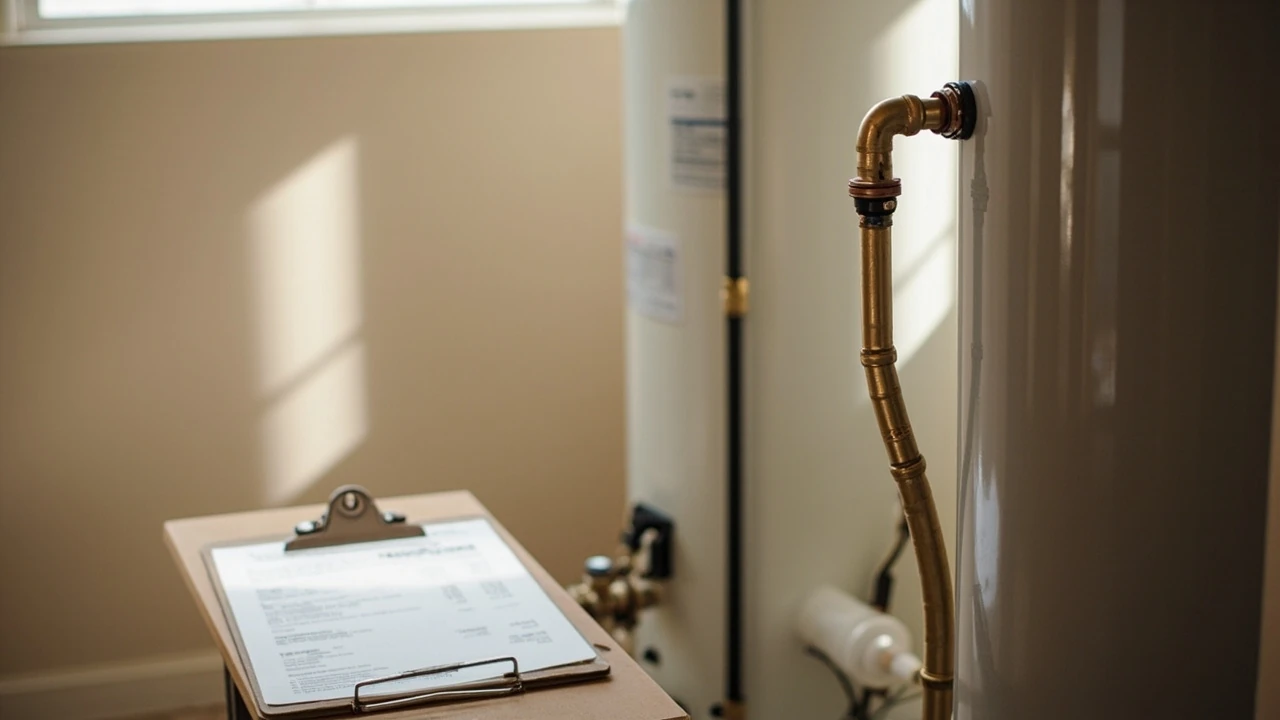
A homeowner in a Phoenix suburb opens three quotes for a new softener and sees numbers ranging from about $900 to $4,200 for what looks like the same job. The spread is not a pricing trick. Water softener system cost depends on how hard the local water is, how much the household uses, the type of valve and resin inside the tank, and whether the unit is professionally installed or set up by the homeowner. Once those inputs are clear, the quotes start to make sense and the lower bid stops looking suspicious.
This article walks through realistic 2026 price ranges for whole-house ion-exchange softeners, the salt-based and salt-free alternatives, the installer’s labor, the ongoing salt and electricity bills, and the line items that quietly push a project over budget. It also covers the small set of decisions that change the final number the most, so a homeowner can compare quotes on equal terms rather than on sticker price alone.
What “water softener system cost” really includes
The phrase covers more than the tank and the valve. A working system has four cost layers, and most disagreements between quotes come from one party including items another party leaves out.
- Equipment: the mineral tank, the control valve, the brine tank, and the resin inside.
- Installation labor: cutting into the main supply line, adding a bypass loop, mounting a drain line, and wiring the valve.
- Site and code work: a drain, an electrical outlet, and sometimes a floor drain or a remote brine tank location.
- Operating costs: salt, electricity for the control valve, and periodic resin cleaning or replacement.
Decide which layers a quote includes before comparing it. A “system for $1,200” can be cheaper than a “system for $2,400” once install, valve type, and capacity are placed side by side.
Typical 2026 price ranges for U.S. homeowners
National averages move slowly because the equipment is mature, but resin, brass fittings, and freight have all shifted in recent years. The table below summarizes the bands a U.S. homeowner is likely to see on written quotes in 2026. Local labor and water hardness can push a project above or below these ranges.
| System type | Equipment only | Installed (turnkey) | Best fit |
|---|---|---|---|
| Compact 24,000-grain ion-exchange | $600-$1,100 | $1,200-$2,200 | Apartments, 1-2 bath homes, 1-3 people |
| Standard 32,000-40,000 grain ion-exchange | $900-$1,800 | $1,800-$3,200 | Most 3-4 bedroom U.S. homes with hard water |
| High-capacity 48,000-64,000 grain | $1,400-$2,600 | $2,500-$4,200 | Large homes, 5+ people, very hard water (10+ gpg) |
| Twin alternating (two tanks) | $2,200-$4,000 | $3,500-$6,000 | Homes that cannot tolerate a regeneration pause |
| Salt-free TAC conditioner | $700-$1,600 | $1,400-$2,800 | Scale-prone homes with sodium or brine restrictions |
| Reverse osmosis at the kitchen tap (add-on) | $250-$700 | $400-$1,200 | Drinking and cooking water only |
Quoted prices vary because capacity, valve quality, and installation complexity move together. A $900 unit installed for $1,800 usually means the installer is batching the job with simple plumbing. A $1,600 unit installed for $3,500 usually means a higher-end digital valve, a longer brine drain run, or a relocated equipment pad.
How hardness, household size, and flow rate set the size of the system
Three household numbers decide which band a project falls into: hardness in grains per gallon (gpg), the number of people in the home, and peak flow in gallons per minute. The point of sizing is not to oversell a larger tank; it is to avoid one that regenerates so often it wastes salt, or one so small it runs out of soft water during a morning shower cycle.
| Household profile | Hardness (gpg) | People | Peak GPM | Recommended grain capacity |
|---|---|---|---|---|
| 1-2 bath, light use | 5-10 | 1-2 | 6-8 | 24,000-32,000 |
| 3 bath, family of 4 | 10-15 | 3-4 | 8-10 | 32,000-40,000 |
| Large home, 5+ people | 15-25 | 5+ | 10-13 | 48,000-64,000 |
| Very hard regional water | 25+ | 4+ | 10+ | 48,000+ or twin alternating |
Most municipal water suppliers publish hardness on a customer portal. Private well owners can use a $15 drop test or send a sample to a state lab. Without a real number, sizing becomes guesswork, and guesswork is what creates the “softener ran out by Wednesday” complaint.
Equipment quality: where the price difference actually lives
Two softeners with the same grain rating can differ in price by $400 or more because of the control valve, the resin, and the tank construction. The differences show up in salt use, water waste, and how often the system needs service.
Control valves
The valve decides when the system regenerates, how much salt it uses, and how much rinse water goes down the drain. Entry-level mechanical time-clock valves are reliable but regenerate on a fixed day, which wastes salt on light weeks and runs short on heavy weeks. Mid-range digital demand-initiated valves regenerate only when actual usage has used up the resin’s capacity, which usually trims salt use by 30-50 percent. Premium valves add features like on-demand regeneration history, vacation mode, and diagnostic alerts. A homeowner who wants low operating cost should put a good digital valve ahead of a slightly larger tank.
Resin
Standard 8 percent crosslink resin handles most U.S. water. High-capacity 10 percent crosslink resin lasts longer in very hard or chloramine-treated water but costs more up front. Fine-mesh resin improves iron removal but raises pressure drop. The cheapest resin in a softener is often the first thing to fail, and resin replacement is the single most expensive maintenance item over the life of the unit.
Tank and brine cabinet
Fiberglass tanks are standard. The brine tank matters more than people think: a thin-walled tank can bow after five years, which lets salt bridge and silently stop the system from regenerating. A heavier poly brine tank with a removable salt shelf and a safety float costs more up front but prevents the “my water is hard again” call to the installer.
Installation costs, line by line
Installation is where a clean quote turns into a confusing one. The line items below are what an installer is usually pricing. Some are bundled, some are charged as add-ons, and a few are charged only when conditions warrant.
- Plumbing tie-in at the main: $150-$400 for a copper or PEX bypass loop with shutoffs and a sample port.
- Drain line: $50-$250 depending on distance to a floor drain, standpipe, or utility sink; an air gap fitting is required by most codes.
- Electrical: $0-$200 if an outlet is already within six feet; more if a new circuit is needed.
- Brine tank placement: $0-$300 if it sits next to the mineral tank; more for a remote basement, garage, or closet location.
- Permit and code compliance: $0-$150 in jurisdictions that require a plumbing permit for a new branch.
- Old system removal: $0-$250 if the installer is also hauling out a failed unit.
- Startup and tuning: $50-$200, which usually includes hardness setting, regeneration time, and a first brine fill.
Homeowners who install a softener themselves save the labor but accept the plumbing, electrical, and code responsibility. A permit is still required in many cities, and an unpermitted install can complicate a home sale.
Operating costs: salt, water, electricity, and the bill that adds up
A water softener does not stop costing money the day it is installed. The table below estimates annual operating cost for a typical 32,000-40,000 grain unit in a family of four. Local water hardness and salt price will move these numbers, but the relative weight of each line is stable.
| Operating line | Typical annual use | Annual cost | Notes |
|---|---|---|---|
| Salt (sodium chloride pellets) | 6-10 bags per year | $60-$180 | Price varies by region and bulk buying |
| Rinse water (regeneration) | 4,000-9,000 gallons | $15-$60 | Depends on local water rates |
| Electricity for the valve | Continuous low draw | $5-$25 | Digital demand valves use slightly more than mechanical |
| Resin cleaning/iron-out | 1-2 treatments per year | $10-$30 | Skipped in chloramine-free water with low iron |
| Resin replacement (every 10-15 years) | Pro-rated | $250-$500 when due | The big long-term maintenance item |
A softener is not free to run, but for most homes in hard-water regions, the operating cost is modest compared with the cost of replacing a water heater ruined by scale or repiping a clogged manifold. Frame the comparison around avoided damage, not just the salt bill.
Salt-based vs. salt-free: what the labels actually mean
Marketing language around “salt-free” softeners is a common source of confusion. The two technologies work differently and solve slightly different problems. For a plain-language description of how ion-exchange softening actually works, the Wikipedia article on water softening covers the chemistry and the regeneration cycle in detail, including how calcium and magnesium ions are exchanged for sodium or potassium on a resin bed.
- Salt-based ion-exchange softeners actually remove calcium and magnesium and replace them with sodium or potassium. The water leaving the tap is chemically softer, and soap behaves the way it does in soft water.
- Salt-free template-assisted crystallization (TAC) units keep the minerals in the water but change their crystal structure so they are less likely to stick to surfaces. They reduce scale but do not lower hardness measurements.
- Reverse osmosis removes hardness along with a long list of other contaminants, but it is a point-of-use system, not a whole-house softener.
For homes that need truly soft water – for skin conditions, for older plumbing, for appliances with a warranty that requires softened water – ion-exchange is still the only mainstream option. TAC units are popular where brine discharge is restricted or where homeowners simply do not want to handle salt.
The decisions that change the final number the most
Most of the price difference between two quotes comes from a handful of choices. The list below is ordered by how much each one typically moves the project total.
- System size. Going from 32,000 to 48,000 grains often adds $300-$700 because the tank, valve, and resin all step up.
- Valve type. Upgrading from a mechanical time-clock valve to a digital demand valve adds $150-$500 but pays back in salt savings over the first three to five years.
- Twin alternating vs. single tank. A twin system roughly doubles equipment cost, and it is the right answer only if the household cannot tolerate a regeneration pause.
- Access for installation. A softener installed in a tight utility closet with a long drain run can add $300-$600 in labor over one that drops into a finished basement with a floor drain already in place.
- Permit and code work. Some cities require a backflow preventer, a separate drain trap, or an expansion tank on the water heater, each of which adds a small line item.
- Brand and warranty. Premium brands cost more up front but tend to use better resin and longer valve warranties, which lowers the long-term risk of a $400 service call.
If a quote looks high, the cause is almost always one of these six items. Asking the installer to point to the specific line that moved the price is the fastest way to compare two proposals.
How to compare two written quotes
Side-by-side comparisons go wrong when one quote lists the equipment and the other lists a turnkey package. The checklist below turns a confusing comparison into a controlled one.
- Grain capacity and peak flow rating for each unit.
- Valve brand, model, and whether it is demand-initiated or time-clock.
- Whether the resin is standard 8 percent or higher crosslink.
- Whether the brine tank includes a safety float and a removable salt shelf.
- Labor, materials, and permit fees as separate line items.
- Warranty length on the tank, valve, and labor.
- First-year service, including a hardness check and a salt-fill visit if needed.
- Removal of the old system, if any.
Once those items line up, the price difference is usually a clean one – higher capacity, better valve, longer warranty, or harder install – rather than a vague “ours is a better system.”
Regional factors that quietly raise or lower the bill
Two homeowners buying the same unit on the same day can see different installed prices because of the factors below. They are not always in the contract, but they are in the math.
- Local water hardness. Higher hardness means a larger unit and more salt per year.
- Local labor rates. A plumber in a major metro area is typically more expensive than one in a rural county, and that gap shows up in the install line.
- Code and permit requirements. Some jurisdictions require backflow prevention, separate drain traps, or pressure-reducing valves on homes above a certain static pressure.
- Brine discharge rules. In areas with brine restrictions, salt-based softeners may need a separate rinse-water pathway or a salt-free alternative, both of which change the project.
- Salt price and availability. Remote areas can pay meaningfully more per bag of salt, which adds up over a decade of operation.
Asking neighbors who have installed a softener in the last two years is a fair shortcut. Local conditions are usually similar, and the surprises tend to be regional rather than household-specific.
When a softener is the wrong project
Not every home needs a softener. A whole-house system is the wrong answer in the situations below, and recognizing them early saves the cost of an install that does not pay off.
- Hardness below about 4 gpg. The benefits of soft water flatten out below this level, and a simple cartridge filter may be enough.
- Very low water use. A single occupant who travels often will not regenerate enough to keep the resin fresh, and a softener can actually pick up odors.
- Sodium-restricted households on a salt-based unit. The added sodium in softened water is small, but doctors sometimes recommend against it for very strict low-sodium diets.
- Brine-restricted jurisdictions. Some regions limit salt-based softeners, and the right answer there is a TAC unit or a point-of-use reverse osmosis system.
A short hardness test, a five-minute look at the city’s consumer confidence report, and a quick talk with a plumber are usually enough to confirm whether a softener is the right project at all.
Working out the total cost over a 15-year horizon
The cheapest quote is not always the cheapest system. The quick framework below compares two systems on a 15-year horizon, which is roughly the working life of a quality softener.
| Cost line | Economy 32,000-grain | Premium 40,000-grain digital |
|---|---|---|
| Equipment | $1,000 | $1,700 |
| Installation | $900 | $1,400 |
| Salt (15 years) | $2,000 | $1,200 |
| Water and electricity (15 years) | $800 | $500 |
| One resin replacement at year 12 | $400 | $400 |
| One service call (valve rebuild) | $350 | $200 |
| 15-year total | $5,450 | $5,400 |
The numbers will not be the same for every home, but the pattern usually is. A better valve trims salt and water use enough to recover the higher up-front cost over the life of the system. A very cheap unit can land in the same place after a mid-life valve repair.
Practical next steps before signing a contract
Once the quotes are in hand, a few small steps tighten the decision without adding much time to the project.
- Confirm a real hardness number, in gpg, from the local water utility or a lab test.
- Decide whether salt-based or salt-free is the right answer for the home before the installer arrives.
- Ask each bidder to list capacity, valve model, and warranty in writing.
- Check whether the install includes a permit and who owns that paperwork.
- Plan a 12-month follow-up: a hardness test at the tap, a salt use check, and a quick valve review.
The cheapest way to keep water softener system cost under control is to size the unit correctly, choose a valve that matches how the household actually uses water, and treat the install quote as a list of line items rather than a single number.
Frequently asked questions
How much does a water softener system cost for a typical U.S. home?
For most U.S. homes, a turnkey ion-exchange system runs from about $1,800 to $3,200, including equipment and installation. Compact units for small homes can land closer to $1,200 installed, while large or twin-tank systems can reach $4,000-$6,000 installed.
What is the average water softener system cost per year to operate?
Operating cost is usually $100-$300 per year, covering salt, rinse water, electricity, and occasional resin cleaning. The exact figure depends on local hardness, household size, and how efficient the control valve is.
Do salt-free softeners actually lower cost?
Salt-free template-assisted crystallization units have no salt cost and no brine discharge, but they do not remove hardness. They reduce scale on surfaces rather than soften the water, so the right comparison is against scale-control needs, not against a salt-based softener.
How long does a water softener last?
A quality ion-exchange softener typically lasts 12-20 years. The resin usually needs replacement at 10-15 years, and the control valve can need a rebuild or replacement along the way. Operating and maintaining the unit on a steady schedule extends its working life.
Is professional installation required?
In many U.S. jurisdictions, a plumbing permit and a licensed installer are required for a whole-house softener because it ties into the main supply line and discharges brine. Homeowners who install their own unit can save labor cost but accept the code and warranty responsibility themselves.
Does a water softener add sodium to the drinking water?
Ion-exchange softeners add a small amount of sodium in exchange for the calcium and magnesium they remove. For most households, the added sodium is modest compared with a normal diet. Households on strict low-sodium diets sometimes use a potassium-based salt or a reverse osmosis drinking tap instead.
Can a water softener raise my water bill?
Yes, slightly. Each regeneration cycle sends 40-100 gallons to the drain. A typical household uses 4,000-9,000 extra gallons per year for regeneration, which adds a small amount to the water bill and, where applicable, the sewer bill.
Will a water softener damage a septic system?
Most modern softeners are safe for septic systems when installed with a proper air gap on the drain line. Older jurisdictions restricted brine discharge to septic tanks, so a homeowner should check local rules and confirm the drain line is correctly designed before adding a softener.
How do I know if my home actually needs a softener?
Common signs include visible scale on faucets and shower doors, soap that does not lather well, spotting on glassware, and a water heater that loses efficiency faster than expected. A hardness test in grains per gallon confirms the suspicion and gives a number to size against.
What is the best way to compare two water softener quotes?
Line up grain capacity, valve type, resin quality, warranty, and whether the install includes labor, materials, permits, and removal of an old unit. Once those match, the price difference usually comes down to capacity, valve, or access, which are all fair to negotiate.

Leave a Reply